Feet
Diabetes puts you at a much higher risk of developing foot problems. Being aware of this will help you look after your feet.
Diabetes can cause damage to the nerves,which can lead to a loss of feeling which means you may not notice an injury or wound to your foot; reduced sweating due to nerve damage can result in hard cracked skin, and foot ulcers can occur. Nerve damage can also, in rare cases, lead to bone and muscle weakness which can change the shape of the foot.
Diabetes can also lead to ‘furring’ up of the arteries, causing a reduced blood and oxygen flow to the feet. This can also increase the risk of foot ulcers and means wounds may not heal and can get infected much more easily.
People with diabetes should have their feet screened by a health care professional to determine if there are any signs of nerve or blood supply damage. Screening to work out your risk of developing foot problems like ulcers will be repeated every 1-2 years and you may be referred to a podiatrist if you are thought to be at risk.
It’s really important to check, wash and moisturise your feet daily, cut or file your toenails regularly; make sure you wear appropriate footwear and treat any minor cuts or blisters immediately. It’s also very important to attend your diabetes foot screening appointment every year. Keeping your blood glucose levels in the target range will significantly reduce the risk of any foot problems.
To find out more about diabetes and feet, register for our (Diabetic Foot Care course - WIP) eLearning course. There is also a list of additional resources about diabetes and feet below.





What can I do to help my foot health?
General health
- Diabetes control – Understanding type 1 and Type 2 diabetes course
- Cardiovascular risk – this includes cholesterol, BP,(link to MDMW Heart and vascular pages)
- Smoking (link to NHS inform smoking advice)
- Healthy weight (Link to NHS inform healthy weight advice)
- Exercise - physical activity reduces CV risk but if you are at risk of ulceration then discuss (Link to exercising with a foot problem video)
Foot specific advice
Know when and how to get help – (link to NHS inform foot page)
Make sure your feet are checked and washed daily by yourself or your carer
What should I expect from my Care?
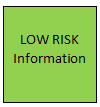
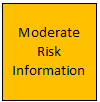
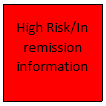
Foot stratification system helps identify the risk you might be at of foot ulceration. (link to traffic light system)
Depending on your risk your should have your feet checked at regular intervals
If you develop an ulcer or red, discoloured foot you should be seen by one of the Multidisciplinary diabetic foot team within 2 working days of referral
If you have a foot problem and fever, high temperature, shivers or shakes or the change in colour is moving up from your feet then you should get immediate medical help as this may be a severe infection or sepsis. Link to NHS inform